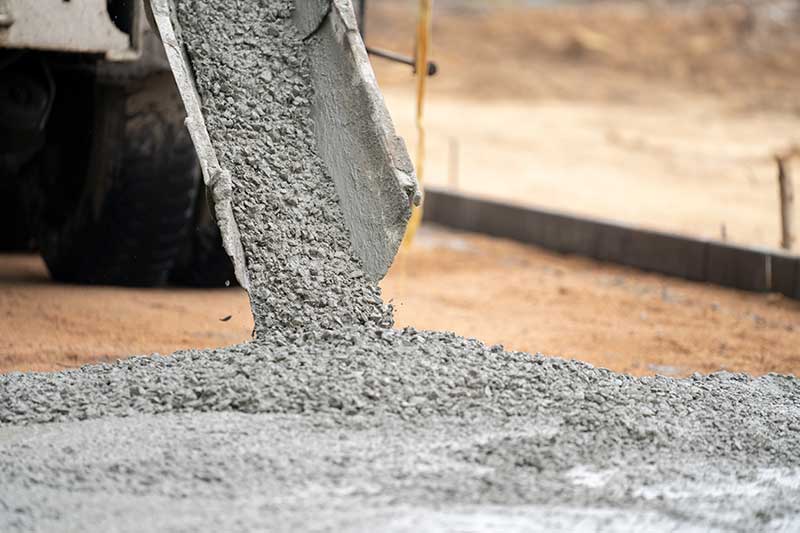
This guide explains what happens after concrete is delivered, how long each stage takes, and what factors can affect setting times on site.
Setting vs Curing: What’s the Difference?
Concrete goes through two key stages after it is poured:
Setting
Setting is when concrete changes from a wet, workable material into a solid surface that can no longer be shaped. This happens relatively quickly.
Under normal UK conditions the initial set can take around 1 - 2 hours with the final set taking around 4 - 6 hours.
During this time, finishing operations such as floating and trowelling must be completed. These timeframes are typical for standard readymix concrete and can vary depending on weather conditions, mix design, etc.
Curing
Curing is the longer stage of the process, where concrete continues to harden, gaining strength through hydration.
Typical milestones for curing are:
After 24 hours concrete reaches approximately 20 - 30% of it's design strength and typically safe for light foot traffic
After 7 days concrete reaches around 60 - 70% of full strength
After 28 days concrete reaches full design strength.
Even though concrete may look “set” after a few hours, it is still developing strength internally for weeks.
How Long Before You Can Use Concrete?
Under typical conditions you can:
Walk on concrete within 24 - 48 hours.
Allow light vehicle traffic after 7 days.
Allow heavy vehicles or machinery after 28 days.
These times are guidelines and assume correct curing and protection of the concrete surface.
What Affects Concrete Setting Time?
Several factors can speed up or slow down how quickly concrete sets and cures:
Temperature
Warm weather speeds up setting times
Cold weather slows setting times down significantly - below 10°C, concrete can take much longer to set and may require protection to avoid strength loss
Moisture & Humidity
Concrete needs moisture to cure properly. If it dries too quickly (due to sun, wind or low humidity) it can crack and subsequently lose strength. Proper curing methods help to prevent this.
Concrete Mix & Admixtures
Different mixes set at different speeds:
Standard readymix concretes follow typical setting times
Retarded mixes slow setting for large pours or hot weather
Accelerated or rapid‑strength concretes are designed to gain strength much faster
For example, Procon Rapid Strength concrete can achieve high early strength within hours, allowing formwork removal in as little as 6 hours, while still reaching full design performance in under 7 days (product data).
Pour Thickness
Thicker slabs retain heat and moisture for longer, which can slow setting but improve long‑term strength. Thin sections tend to set more quickly.
How To Help Concrete Set Properly
To achieve the best results:
Protect fresh concrete from wind, rain, and frost
- Avoid allowing the surface to dry out too quickly
- Follow curing guidance provided with your Procon Readymix order
- Use specialist mixes where early strength or rapid access is required
Correct curing during the first 48 hours is particularly important, as this is when most hydration takes place.
Need Advice on Setting Times?
Every project is different. Ground conditions, weather, access requirements, and programme pressures all influence the right concrete choice.
The Procon Readymix team can advise on:
The best mix for your application
Expected setting and curing times
Rapid‑strength or specialist concretes
Site conditions and weather considerations
Speak to your local Procon Readymix team by calling us on 020 8451 7880 or message us for technical support and mix selection guidance.